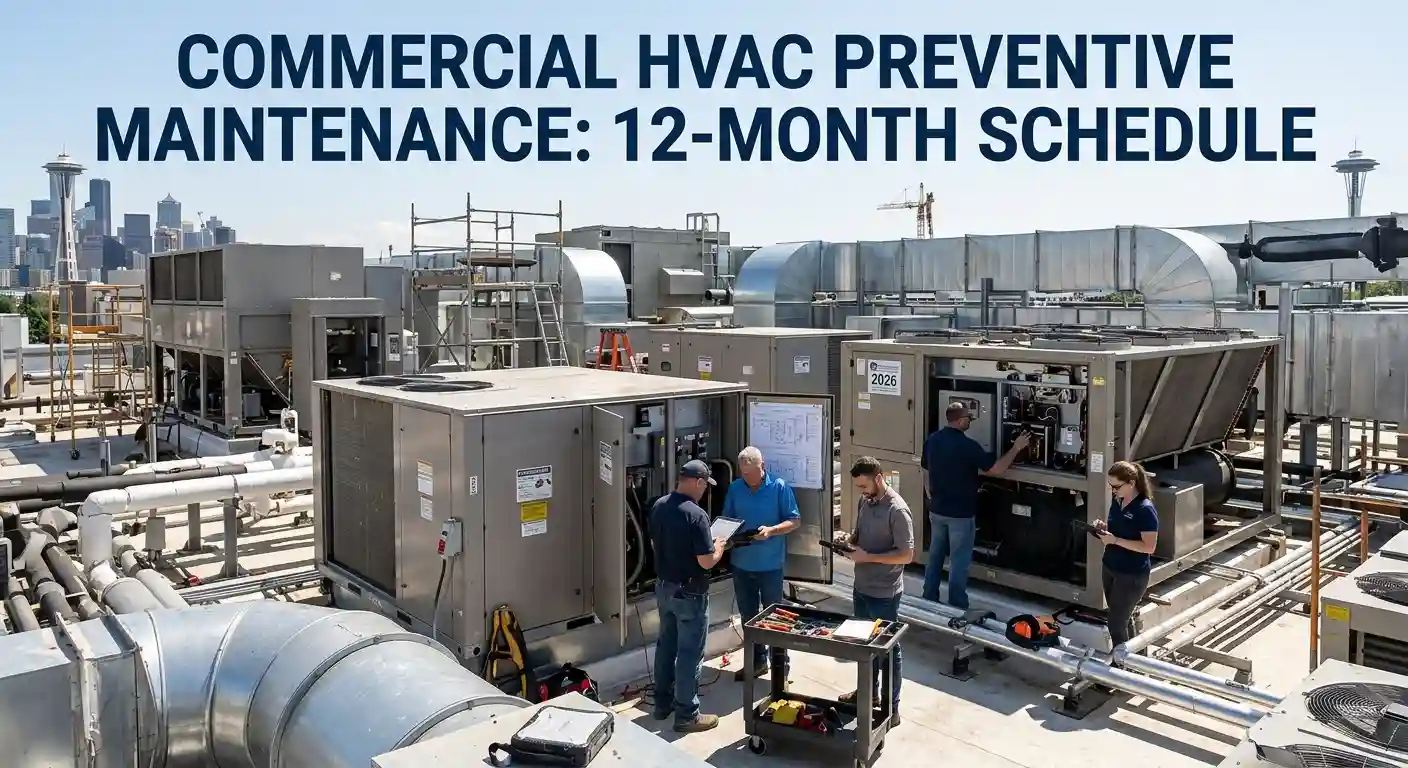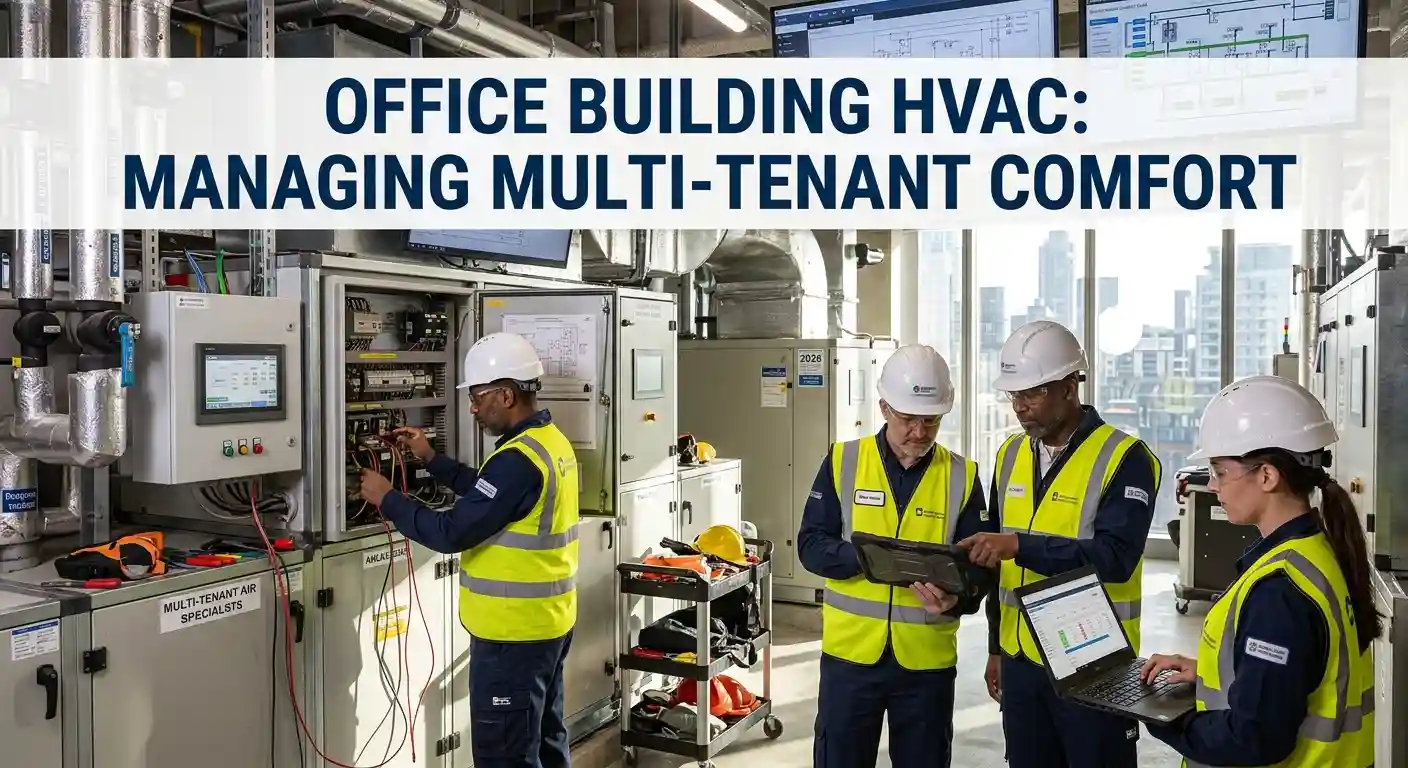
February is the single best month to schedule commercial AC preventive maintenance in Boca Raton, Fort Lauderdale, and Palm Beach County — and facility managers who act before March consistently avoid the emergency repair costs that peak season delivers.
South Florida’s commercial HVAC systems face some of the most demanding operating conditions in the country: year-round heat, coastal humidity, salt-air corrosion, and near-continuous runtime that northern markets never see. Scheduling your maintenance now — while technician availability is high and temperatures are still manageable — is not a convenience decision. It is a risk management decision.
At Aspen AC, our NATE-certified technicians have served commercial properties across Southeast Florida since 1983. In that time, one pattern has repeated without exception: businesses that schedule preventive maintenance in February spend significantly less on HVAC over the course of the year than those who wait. This post explains exactly why that window matters, what a comprehensive February inspection covers, and what the cost of skipping it looks like in real terms for Palm Beach County commercial operators.
The Strategic Advantages of Pre-Season Commercial AC Preventive Maintenance
Commercial AC preventive maintenance scheduled during February provides businesses with substantive operational and economic benefits that extend throughout the fiscal year. The moderate temperatures characteristic of South Florida’s winter months permit HVAC technicians to conduct thorough system evaluations without compromising occupant comfort or interrupting critical business operations. This advantage enables comprehensive diagnostics, component replacements, and system optimizations that would prove considerably more disruptive during peak cooling seasons.
February maintenance scheduling typically coincides with reduced demand for HVAC services, affording businesses greater flexibility in appointment scheduling and more favorable service rates. Commercial establishments in Palm Beach, Broward, and Miami-Dade counties benefit from this seasonal window, as contractors can dedicate more extensive time and resources to each maintenance engagement. The proactive nature of February commercial AC preventive maintenance substantially mitigates the risk of system failures during the sweltering summer months — when air conditioning is not merely a comfort amenity but an operational necessity for most commercial enterprises.
The fiscal implications are direct. Emergency repairs during peak season consistently incur premium labor costs and expedited parts procurement expenses. Scheduled commercial AC preventive maintenance during February allows businesses to address potential deficiencies before they escalate into costly failures — exercising prudent capital stewardship while maintaining optimal working environments for employees and customers.
What Aspen AC’s February Commercial HVAC Inspection Covers: A Boca Raton & Fort Lauderdale Checklist
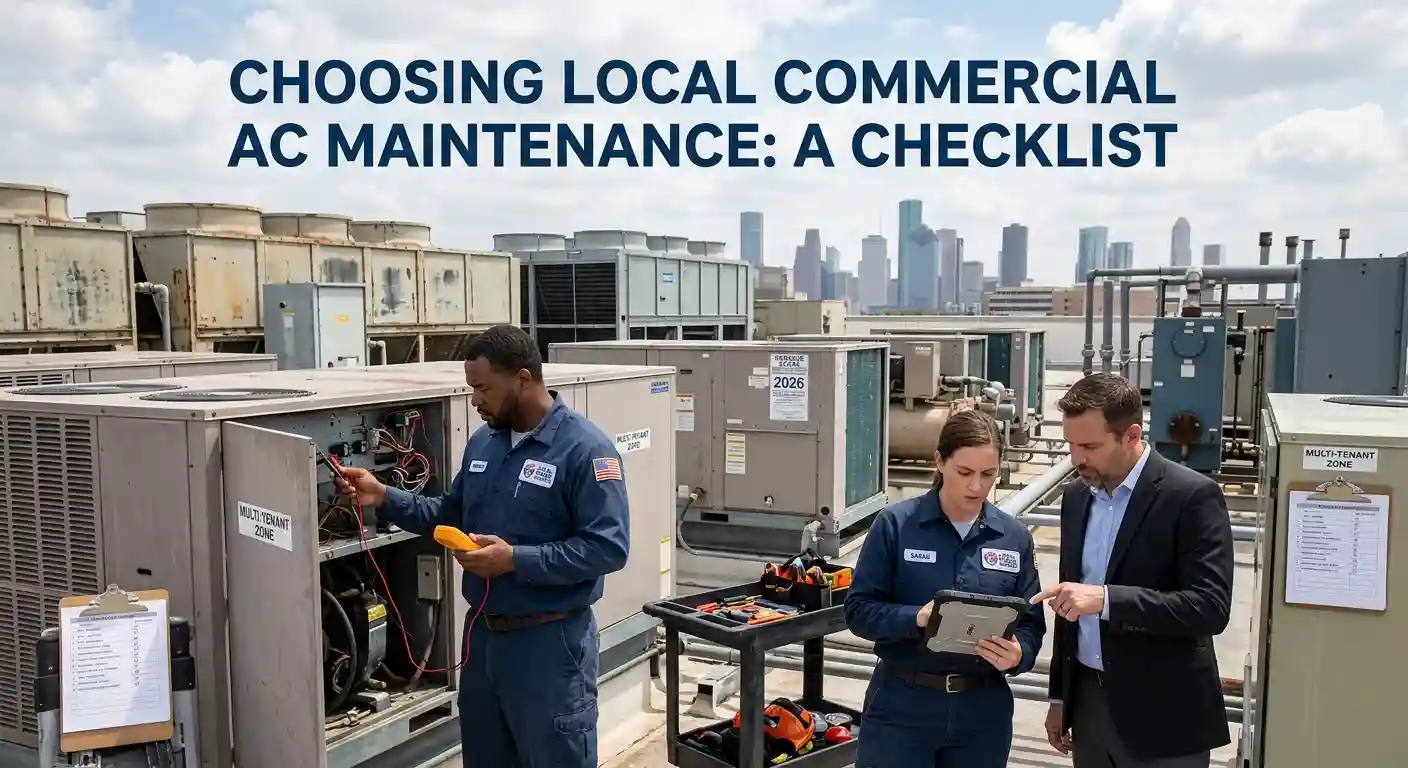
For facility managers evaluating HVAC maintenance vendors in Boca Raton, Fort Lauderdale, and across Palm Beach County, the scope of a maintenance visit is the primary differentiator between a contractor performing surface-level service and one delivering genuine system protection. Below is the full inspection scope Aspen AC’s NATE-certified technicians execute on every commercial preventive maintenance engagement.
Compressor Health — Measure amp draw, check oil levels, and test for valve efficiency. Compressor failure is the single most expensive HVAC repair in commercial applications.
Condenser & Evaporator Coils — Clean coil surfaces to remove South Florida’s accumulated salt, dust, and biological growth, which can reduce heat transfer efficiency significantly if left unaddressed.
Refrigerant Level & Integrity — Verify charge to manufacturer specification; identify and document leaks per EPA Section 608 compliance requirements.
Electrical Connections & Components — Torque all terminals, test capacitors and contactors, check for arc damage — a leading cause of mid-season failures.
Condensate Drain System — Flush drain lines and test pan integrity. Clogged condensate drains are a leading cause of water damage in South Florida commercial properties.
Air Filtration & Airflow — Replace or clean filters, measure static pressure, verify supply and return air balance across all zones.
Control Systems & Thermostats — Calibrate thermostats, test economizer function, verify BAS integration points for multi-zone commercial properties.
Ductwork Integrity — Visual inspection for leaks, disconnections, or insulation degradation. Duct losses commonly account for a substantial share of energy waste in commercial buildings.
Belt, Bearing & Motor Inspection — Check tension, alignment, and wear. Replacing a worn belt in February is a fraction of the cost of a motor replacement forced by a July failure.
System Performance Baseline — Document supply/return temperatures, pressures, and amp draws to establish a performance record and detect degradation at next service.
Why February specifically for Boca Raton & Fort Lauderdale? South Florida’s peak cooling demand arrives in April–May and does not ease until October. February is the last viable low-demand month before spring heat begins stressing systems. Technician availability is highest, scheduling is flexible, and any parts needed for repair can be ordered without emergency procurement premiums. Once April arrives, wait times extend and costs rise.
The Real Cost of Skipping Pre-Season Maintenance: Emergency Repair vs. Preventive Service in Palm Beach County
For facility managers and property operators in Palm Beach County, HVAC decisions are ultimately capital decisions. The question is not whether HVAC maintenance costs money — it does. The question is whether that expenditure is planned and controlled, or reactive and premium-priced.
The U.S. Department of Energy documents that HVAC systems operating under heavy demand lose efficiency faster without proper maintenance, leading to higher energy consumption and accelerated mechanical failure. In South Florida’s commercial environment, where systems run near-continuously from April through October, this efficiency degradation is not theoretical — it is a measurable monthly cost.
Scheduled February preventive maintenance (per unit): from the $395 minimum commercial service invoice, with minimal operational risk — controlled, planned, zero downtime.
Emergency peak-season service call: billed from the $395 minimum at up to 1.5x labour rates, with high operational risk from unplanned downtime during peak heat.
Compressor replacement from neglect: typically $2,500 and up, a critical risk involving multi-day outage and expedited parts.
Full commercial unit replacement from accelerated failure: typically $10,000–$30,000 and up, a severe risk involving weeks without climate control.
Energy cost increase from dirty coils or low refrigerant: typically 10–30% higher monthly utility bills — an ongoing cost that stays invisible until the billing cycle is reviewed.
(Cost ranges are general estimates for planning purposes; actual pricing depends on system size, equipment type, and site conditions — request a scope-based quote for a specific property.)
The cost differential is not marginal. A single compressor failure on a commercial rooftop unit in August — the kind that preventive maintenance consistently identifies and prevents in February — can cost more than a decade of scheduled service contracts. For healthcare facilities, restaurants, and retail properties in Boca Raton and Fort Lauderdale where temperature compliance is tied to regulatory standing or perishable inventory, that failure carries liability exposure beyond the repair invoice.
Why South Florida’s Climate Makes February the Highest-Risk Month to Have an Unprepared HVAC System
South Florida does not operate on the same HVAC calendar as the rest of the United States. In markets with distinct winters, commercial HVAC systems receive months of low-demand recovery time each year. In Boca Raton, Fort Lauderdale, and across Palm Beach County, that recovery window does not exist. Systems that run year-round accumulate wear continuously, and February represents the last viable intervention point before peak demand accelerates that wear to failure.
Florida-Specific Environmental Stressors
Salt-air corrosion: Coastal properties throughout Palm Beach and Broward Counties experience accelerated corrosion on condenser coils, electrical terminals, and metal enclosures. A February inspection identifies early-stage corrosion before it compromises structural integrity or electrical safety.
Humidity-driven biological growth: South Florida’s persistent humidity promotes mold and algae growth inside air handling units and condensate systems. February servicing — before full cooling season — clears biological accumulation that degrades air quality and blocks drain systems.
Near-continuous runtime wear: Unlike northern climates, South Florida commercial systems rarely cycle down. Bearings, belts, capacitors, and compressor valves reach wear thresholds faster. February inspections catch components approaching failure before summer load pushes them past it.
Storm and surge exposure: Hurricane season runs June through November, immediately following peak cooling demand. Systems entering summer in a compromised state face both operational stress and storm vulnerability simultaneously.
2026 Regulatory Compliance Requirements
Commercial HVAC operators in Florida face an evolving compliance environment in 2026 that directly affects maintenance scheduling decisions:
EPA Section 608 — Refrigerant Regulations: Under the EPA’s AIM Act Technology Transitions rule, manufacturing of new R-410A split and packaged systems stopped as of January 1, 2025, with VRF systems following on a separate, later timeline. Commercial properties should confirm their maintenance contractor is current on refrigerant handling, documentation, and reporting requirements for existing R-410A systems — servicing legacy equipment remains legal and is unaffected by the manufacturing phase-out.
Florida Building Code — Mechanical Provisions: Florida’s building code requires commercial HVAC systems to be maintained in accordance with manufacturer specifications and applicable energy codes. Documented preventive maintenance records support compliance in the event of a building inspection or insurance audit.
ASHRAE 62.1 Ventilation Standards: Commercial properties subject to ventilation compliance — including healthcare, educational, and high-occupancy facilities — require verified airflow and filtration performance. February maintenance is the correct point to calibrate and document these metrics before the high-occupancy cooling season.
OSHA Workplace Temperature Standards: While federal OSHA standards are performance-based, Florida enforcement in commercial environments increasingly considers HVAC reliability as a workplace safety factor in heat-related illness investigations.
Aspen AC compliance documentation: Every preventive maintenance engagement includes a written service report documenting refrigerant levels and handling, system performance metrics, components inspected and serviced, and technician certification details — supporting building code compliance, insurance audits, and regulatory inspections.
Aspen AC: Four Decades of Commercial HVAC Excellence in Southeast Florida
Since its establishment in 1983, Aspen AC has built its reputation as one of South Florida’s most trusted commercial HVAC contractors. Headquartered in Boca Raton, the company serves commercial properties throughout Palm Beach County, Broward County, and the broader Southeast Florida region — from Port St. Lucie to Miami.
Every Aspen AC technician is NATE-certified, background-checked, and drug-tested. Services are available seven days a week, with guaranteed on-site emergency response within four hours. The company is fully licensed, bonded, and insured.
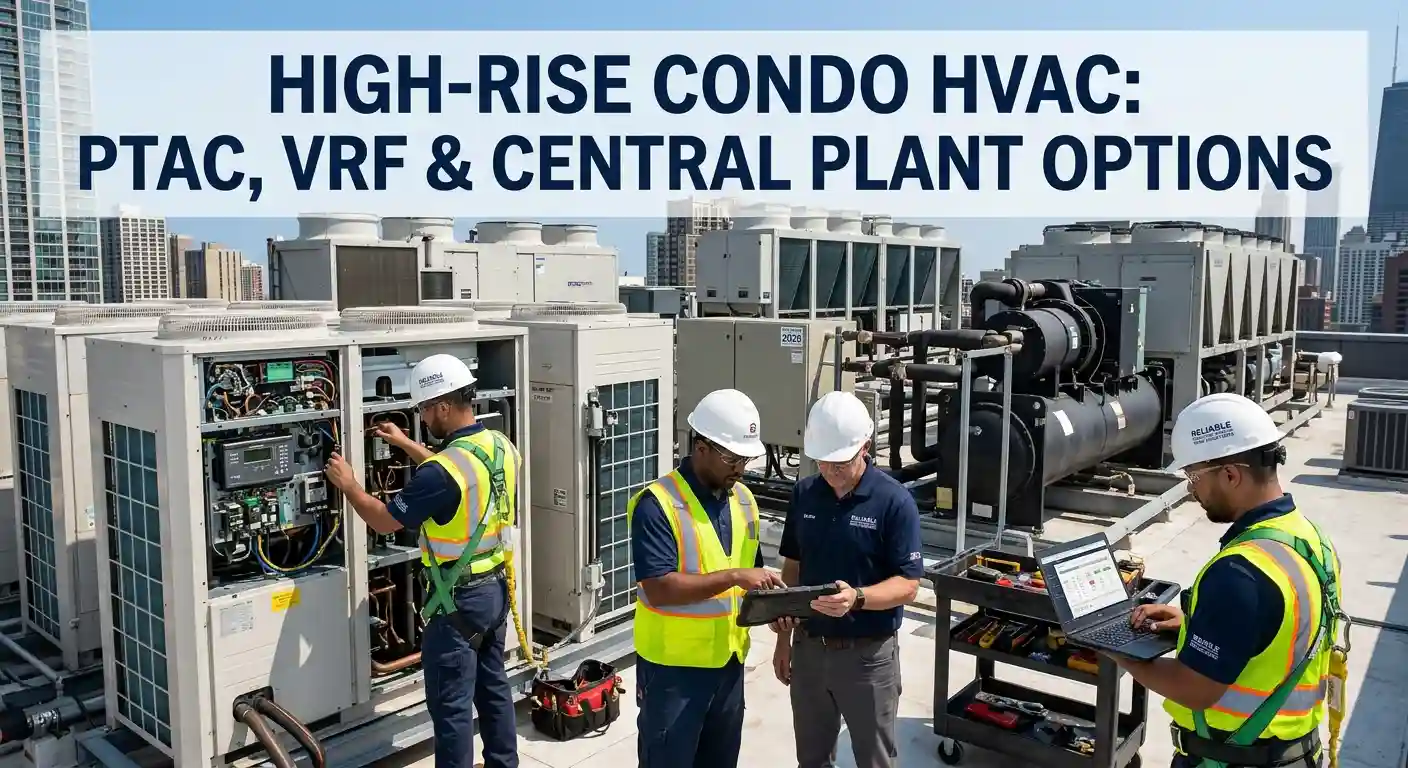
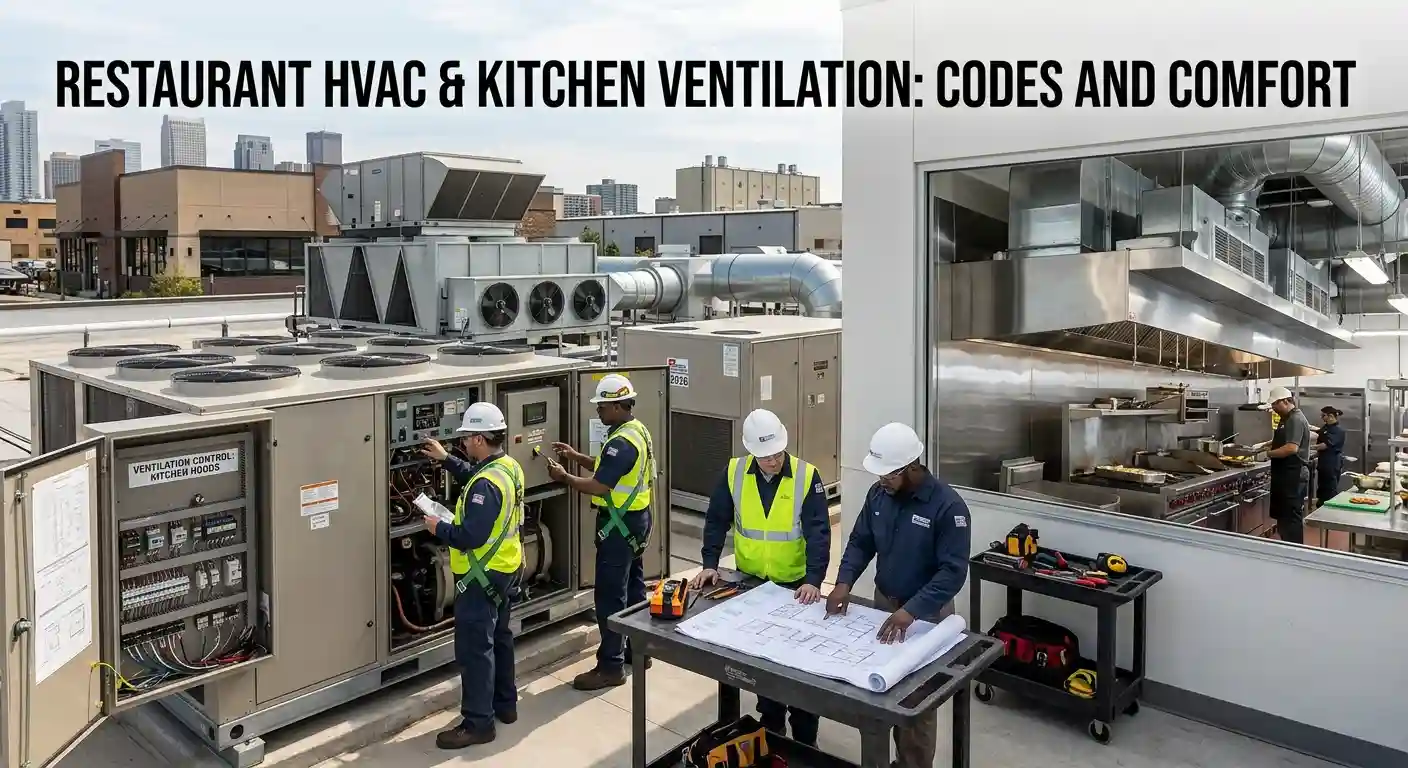
Aspen AC’s commercial service portfolio covers the full HVAC lifecycle: mechanical installation and new construction (split systems, packaged units, VRF/VRV, PTACs, and advanced controls), emergency repair, customized preventive maintenance contracts, and indoor air quality solutions — serving high-rise condominiums, healthcare facilities, educational institutions, industrial and warehouse properties, hospitality, retail, and houses of worship across Southeast Florida.
Frequently Asked Questions
How often should commercial HVAC systems be serviced in South Florida?
South Florida commercial HVAC systems should be serviced a minimum of twice per year — once in February before peak cooling season and once in October–November after it. High-demand properties such as restaurants, healthcare facilities, and 24/7 operations benefit from quarterly maintenance agreements to account for accelerated wear under continuous load.
What is included in a commercial AC preventive maintenance visit?
A comprehensive commercial AC preventive maintenance visit covers compressor health, coil cleaning, refrigerant verification, electrical connection inspection, condensate drain flushing, airflow and filtration, control system calibration, belt and bearing inspection, and a full performance baseline documentation. See the inspection checklist above for the complete Aspen AC scope.
Why is February specifically the best month for commercial HVAC maintenance in Boca Raton?
February is the last low-demand month before South Florida’s spring heat begins elevating system load. Technician availability is highest, scheduling is most flexible, and any components identified for replacement can be ordered without emergency procurement costs. Properties that schedule in February consistently avoid the peak-season failures that result from deferred maintenance.
Does Aspen AC service all commercial HVAC system types?
Yes. Aspen AC’s NATE-certified technicians are trained and equipped to service all commercial system types including split systems, packaged rooftop units, VRF and VRV systems, PTACs, mini-splits, and advanced building automation controls — serving properties across Palm Beach County, Broward County, and the broader Southeast Florida region.
What is the difference between a preventive maintenance contract and an on-demand service call?
A preventive maintenance contract establishes a scheduled, systematic service cadence that identifies and addresses wear before failure occurs. On-demand service calls are reactive — they address failures after they happen, typically at peak-season labor rates with expedited parts costs. For commercial properties, the total annual cost of reactive service consistently exceeds the cost of a structured maintenance contract.
Does Aspen AC offer maintenance plans for healthcare facilities and high-rise condominiums?
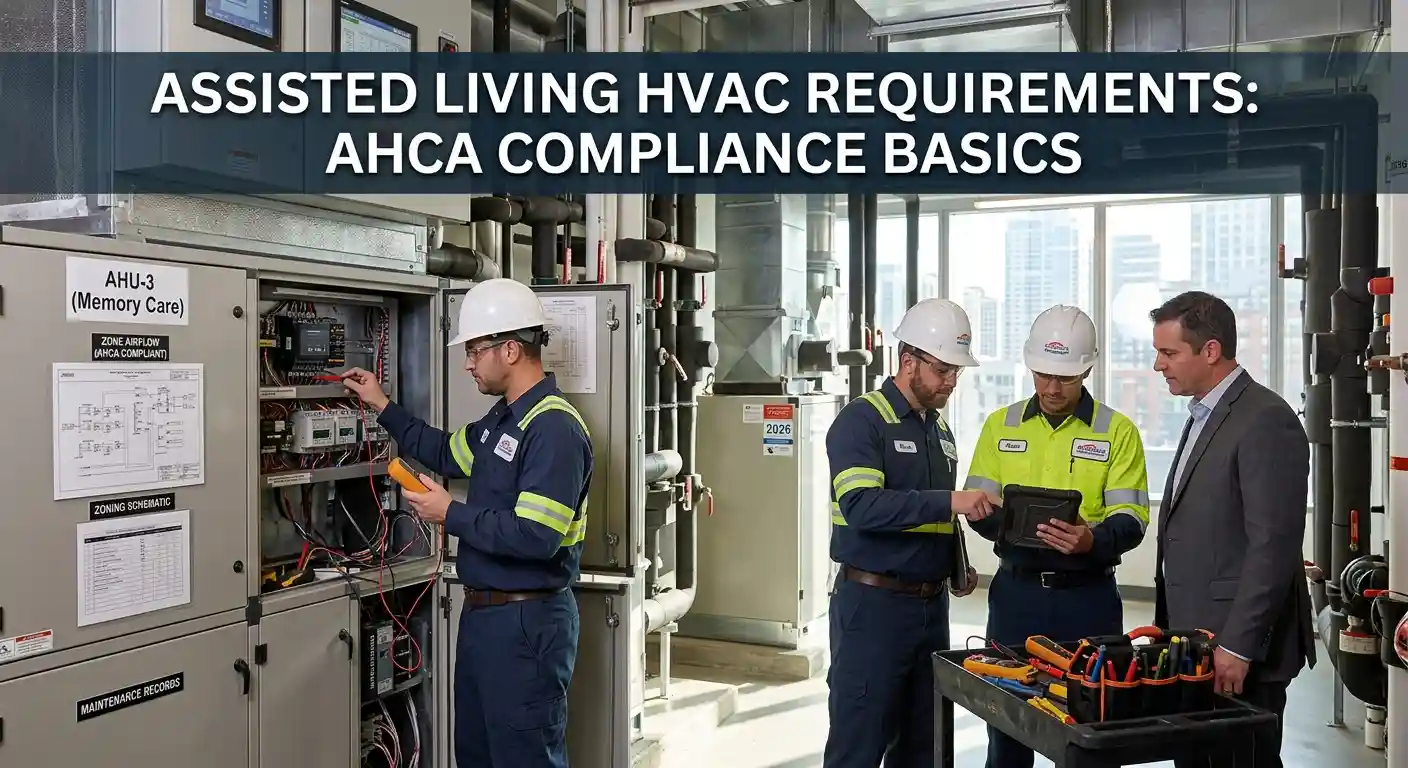
Yes. Aspen AC specializes in the unique mechanical requirements of healthcare facilities — including medical offices and assisted living centers — and high-rise condominium properties. Both property types involve elevated regulatory compliance requirements and operational complexity that demand specialized HVAC expertise. Contact Aspen AC to discuss a customized maintenance program for your property.
What happens if I wait until April to service my commercial AC in South Florida?
Service delays until April risk higher pricing, longer wait times, and unexpected breakdowns during peak summer cooling season.
How much does commercial AC preventive maintenance cost in South Florida?
Costs vary by system size, but routine tune-ups are far cheaper than emergency repairs or full system replacements caused by neglect.
Can I perform commercial AC maintenance myself instead of hiring a professional?
Basic tasks like filter changes are DIY-friendly, but electrical testing, refrigerant checks, and coil cleaning require licensed technicians for safety and warranty compliance.
What are the signs my commercial AC needs immediate maintenance?
Watch for unusual noises, weak airflow, uneven temperatures, frequent cycling, rising utility bills, or water leaks around the unit.
Does winter humidity in South Florida affect AC systems too?
Yes. Even in winter, South Florida’s high humidity causes coil corrosion and drain line clogs, making year-round maintenance essential.
FAQs: Commercial AC Preventive Maintenance in Boca Raton, Fort Lauderdale & Palm Beach County
How often should commercial HVAC systems be serviced in South Florida?
South Florida commercial HVAC systems should be serviced a minimum of twice per year — once in February before peak cooling season and once in October–November after it. High-demand properties such as restaurants, healthcare facilities, and 24/7 operations benefit from quarterly maintenance agreements to account for accelerated wear under continuous load.
What is included in a commercial AC preventive maintenance visit?
A comprehensive commercial AC preventive maintenance visit covers compressor health, coil cleaning, refrigerant verification, electrical connection inspection, condensate drain flushing, airflow and filtration, control system calibration, belt and bearing inspection, and a full performance baseline documentation. See the inspection checklist above for the complete Aspen AC scope.
Why is February specifically the best month for commercial HVAC maintenance in Boca Raton?
February is the last low-demand month before South Florida’s spring heat begins elevating system load. Technician availability is highest, scheduling is most flexible, and any components identified for replacement can be ordered without emergency procurement costs. Properties that schedule in February consistently avoid the peak-season failures that result from deferred maintenance.
Does Aspen AC service all commercial HVAC system types?
Yes. Aspen AC’s NATE-certified technicians are trained and equipped to service all commercial system types including split systems, packaged rooftop units, VRF and VRV systems, PTACs, mini-splits, and advanced building automation controls — serving properties across Palm Beach County, Broward County, and the broader Southeast Florida region.
What is the difference between a preventive maintenance contract and an on-demand service call?
A preventive maintenance contract establishes a scheduled, systematic service cadence that identifies and addresses wear before failure occurs. On-demand service calls are reactive — they address failures after they happen, typically at peak-season labor rates with expedited parts costs. For commercial properties, the total annual cost of reactive service consistently exceeds the cost of a structured maintenance contract.
Does Aspen AC offer maintenance plans for healthcare facilities and high-rise condominiums?
Yes. Aspen AC specializes in the unique mechanical requirements of healthcare facilities — including medical offices and assisted living centers — and high-rise condominium properties. Both property types involve elevated regulatory compliance requirements and operational complexity that demand specialized HVAC expertise. Contact Aspen AC to discuss a customized maintenance program for your property.
What happens if I wait until April to service my commercial AC in South Florida?
Service delays until April risk higher pricing, longer wait times, and unexpected breakdowns during peak summer cooling season.
How much does commercial AC preventive maintenance cost in South Florida?
Costs vary by system size, but routine tune-ups are far cheaper than emergency repairs or full system replacements caused by neglect.
Can I perform commercial AC maintenance myself instead of hiring a professional?
Basic tasks like filter changes are DIY-friendly, but electrical testing, refrigerant checks, and coil cleaning require licensed technicians for safety and warranty compliance.
What are the signs my commercial AC needs immediate maintenance?
Watch for unusual noises, weak airflow, uneven temperatures, frequent cycling, rising utility bills, or water leaks around the unit.
Does winter humidity in South Florida affect AC systems too?
Yes. Even in winter, South Florida’s high humidity causes coil corrosion and drain line clogs, making year-round maintenance essential.
Schedule Your February Commercial AC Maintenance Today
South Florida’s peak cooling season does not wait. Facility managers in Boca Raton, Fort Lauderdale, and Palm Beach County who schedule now secure technician availability, controlled costs, and documented compliance records before summer demand locks in premium pricing.
Contact Aspen AC to schedule your preventive maintenance engagement — available 7 days a week, emergency response under 4 hours: aspenac.com/contact
Disclaimer: Cost ranges, regulatory timelines, and efficiency figures cited in this article are general guidance current as of publication, not a quote or compliance guarantee for any specific property. Refrigerant regulations continue to evolve — confirm current requirements and get a property-specific estimate from Aspen AC before making service or budget decisions.