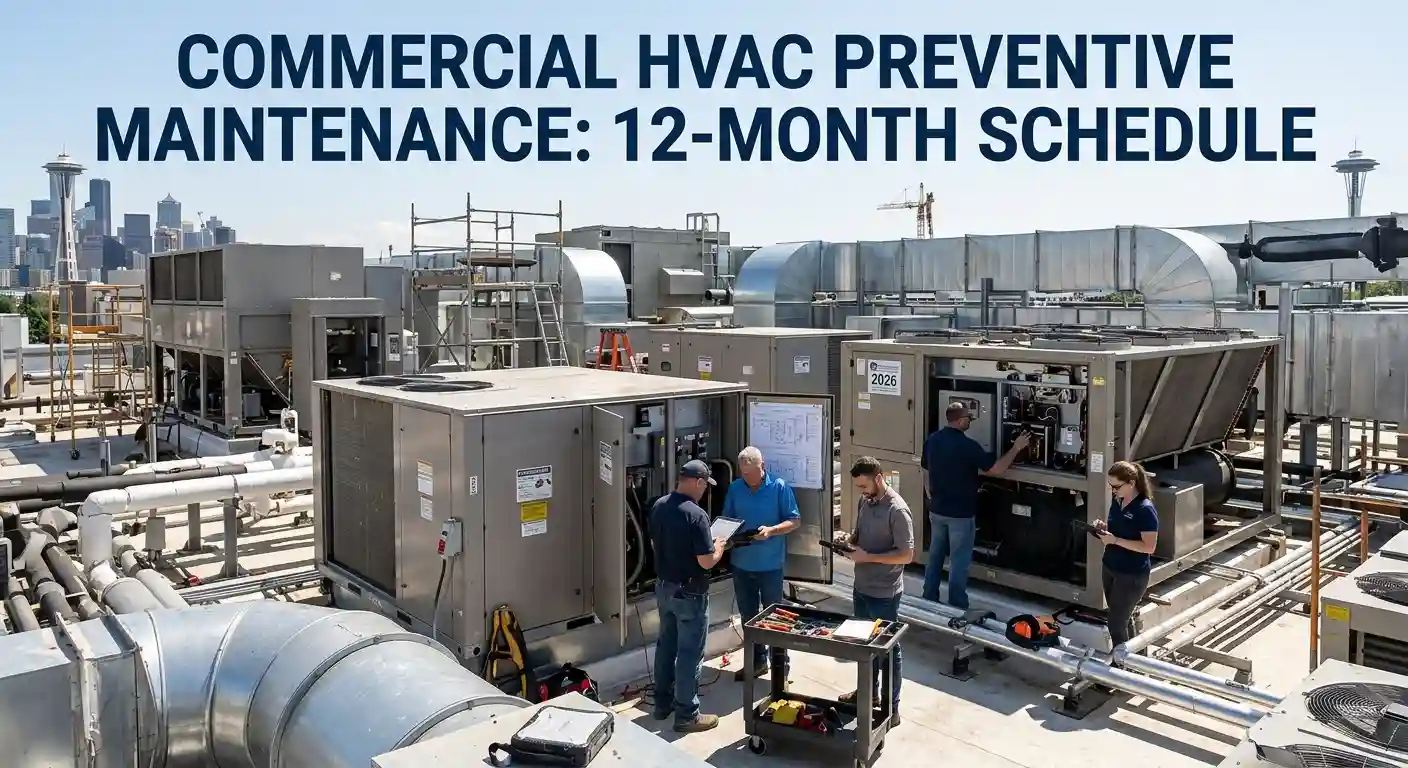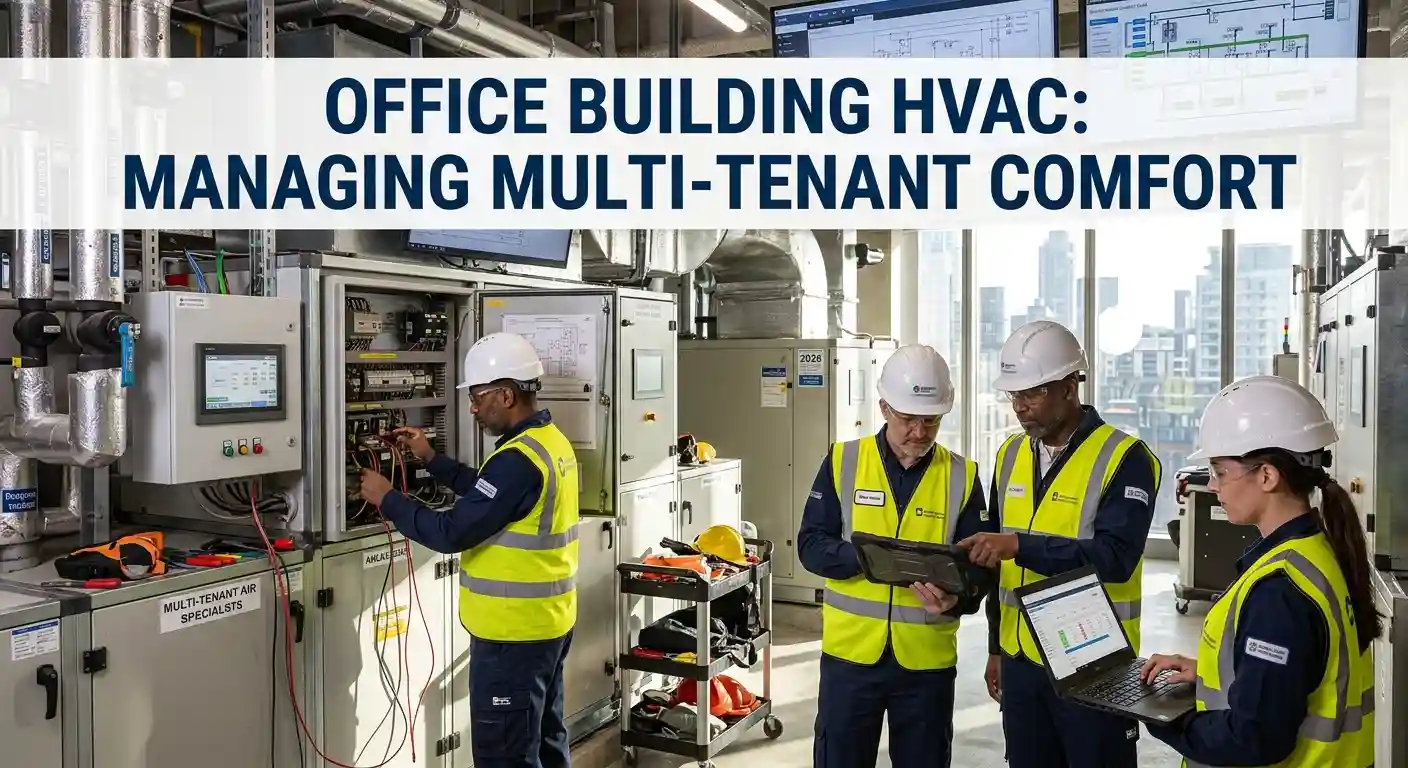
Preparing a commercial HVAC system for South Florida’s heat season requires six core actions: condenser coil cleaning, refrigerant level verification, condensate drain inspection, electrical component testing, duct integrity assessment, and control system calibration — ideally completed between March and May before peak demand loads begin.
For commercial properties across Boca Raton, Fort Lauderdale, and Palm Beach County, that preparation window is not a scheduling preference — it is an operational risk threshold. South Florida runs an effective eight-month cooling season with ambient humidity sustained above 80% and heat index values regularly exceeding 105°F. Systems that enter peak season without structured pre-season service do not underperform gradually — they fail under load, during business hours, at the worst possible time. The 2026 cooling cycle introduces an additional layer of urgency: the EPA’s R-410A refrigerant phaseout is actively driving service cost increases for unprepared facilities, and local HVAC contractors across Broward and Palm Beach Counties are booking pre-season slots faster than in prior years.
Aspen AC has serviced commercial HVAC infrastructure across Southeast Florida since 1983. The framework below is built on four decades of operational experience in one of North America’s most mechanically demanding climates.
Preventative Maintenance as a Legal and Operational Safeguard
Routine servicing is fundamental when preparing commercial hvac systems for rising heat in south florida. Regular inspections of coils, filters, refrigerant levels, and electrical components ensure systems operate within optimal parameters. Without proper maintenance, minor inefficiencies can escalate into significant mechanical failures.
From a compliance perspective, maintaining detailed service records demonstrates due diligence. Commercial operators benefit from structured maintenance programs that align with industry expectations and reduce liability exposure. Aspen AC applies a systematic approach to preventative maintenance, tailored to the high-demand climate of South Florida.
System Upgrades and Energy Efficiency Considerations
Upgrading equipment plays a critical role in preparing commercial hvac systems for rising heat in South Florida. Older systems often lack the capacity and efficiency required to perform under extreme conditions. Modern solutions such as high-efficiency rooftop units and advanced control systems improve reliability while reducing operational costs.
Energy efficiency is increasingly relevant within commercial operations. Businesses must consider both cost management and evolving regulatory expectations. Strategic upgrades provide long-term value by enhancing performance while supporting compliance with energy standards.
Why South Florida’s Heat Demands More From Commercial HVAC Systems
Not all heat is equal — and commercial property managers in Boca Raton, Fort Lauderdale, and Palm Beach County operate in one of the most mechanically demanding climates in North America. Understanding what makes Southeast Florida’s environment uniquely punishing on HVAC infrastructure is the first step toward building a preparation strategy that actually holds.
The core challenge is not temperature alone. South Florida’s average relative humidity hovers between 75% and 85% during peak season, which forces commercial HVAC systems to work significantly harder than in dry-heat climates. When humidity is high, the system must remove moisture from the air before it can cool it — a process called latent heat removal. This dual workload — sensible cooling plus latent load management — dramatically increases compressor cycling, refrigerant pressure, and overall mechanical strain.
Coastal properties across Palm Beach and Broward County face an additional variable: salt air. Airborne chlorides accelerate corrosion on condenser coils, copper refrigerant lines, and electrical components — particularly in facilities within two miles of the Atlantic coastline. Salt-induced coil degradation can reduce heat transfer efficiency by up to 30% in untreated systems, driving up energy consumption and accelerating component failure timelines.
For high-occupancy commercial environments — including multi-tenant office buildings, retail centers, and hospitality properties — the internal heat load generated by lighting, equipment, and building occupancy compounds the external demand. Systems sized for standard load calculations in a national context are frequently undersized for the operational reality of Southeast Florida’s shoulder and peak seasons, which effectively run from April through October.
Preparation for rising heat in this region is therefore not a seasonal tune-up exercise. It is a climate-specific engineering discipline.
The 2026 Refrigerant Transition: What Commercial Property Owners in South Florida Need to Know Now
One of the most consequential regulatory shifts affecting commercial HVAC infrastructure is already underway — and the majority of South Florida facility managers have not yet integrated it into their capital planning cycle.
Effective January 1, 2025, the U.S. Environmental Protection Agency implemented restrictions on R-410A refrigerant as part of its AIM Act compliance framework. R-410A, the dominant refrigerant in commercial HVAC systems installed over the past two decades, is being phased out in favor of lower global warming potential (GWP) alternatives including R-454B and R-32. New HVAC equipment manufactured after the effective date must use the compliant refrigerant alternatives. Critically, existing systems that operate on R-410A can continue to be serviced — but the available supply of R-410A refrigerant is being progressively reduced, which is already pushing service costs upward.
For commercial operators in Palm Beach and Broward Counties, the practical implications are threefold:
Refrigerant Cost Escalation: As R-410A supply contracts under regulatory pressure, the cost of recharging existing systems will continue to rise. Facilities with aging systems that require frequent refrigerant top-offs face an accelerating cost liability.
Equipment Replacement Planning: Systems that are approaching end-of-life — typically 12 to 15 years for commercial rooftop units and split systems under South Florida’s operating conditions — should now be evaluated for replacement with R-454B or R-32 compatible units before the replacement becomes an emergency decision rather than a planned capital expenditure.
Service Record Integrity: Regulatory compliance requires documented refrigerant tracking. Commercial operators who cannot demonstrate proper refrigerant handling records face liability exposure during property transactions, insurance audits, and regulatory inspections.
Aspen AC’s technicians are fully certified in current refrigerant handling standards and can assess your facility’s existing equipment against the new regulatory landscape — providing a clear transition timeline that aligns with your 2026 budget cycle before the peak heat season places maximum demand on your infrastructure.
Pre-Summer Commercial HVAC Checklist for Southeast Florida Properties
The window between March and mid-May represents the optimal preparation period for commercial HVAC systems in Boca Raton, Fort Lauderdale, and across Palm Beach and Broward Counties. Once ambient temperatures consistently exceed 90°F and occupancy demand peaks, reactive service becomes exponentially more costly and disruptive than proactive preparation. The following checklist reflects the minimum standard of pre-season readiness for commercial properties operating in Southeast Florida’s climate.
1. Condenser Coil Inspection and Cleaning Condenser coils accumulate dirt, biological growth, and — in coastal locations — salt deposits that impair heat rejection. Dirty coils force the compressor to operate at elevated head pressure, increasing energy consumption and shortening component life. Coils should be chemically cleaned and inspected for corrosion damage before peak season loading begins.
2. Refrigerant Level Verification Low refrigerant charge is one of the leading causes of commercial HVAC system failure during peak heat periods. A system operating with even a 10% refrigerant deficit runs at significantly reduced efficiency and places the compressor at risk of damage from liquid slugging. Refrigerant levels must be verified against manufacturer specifications — not estimated.
3. Condensate Drain System Inspection South Florida’s humidity levels generate substantial condensate volumes. Blocked or partially obstructed drain lines are the leading cause of water damage in commercial buildings during summer months. All condensate pans, drain lines, and float switches must be inspected, flushed, and verified functional before the humidity season peaks.
4. Electrical Component Testing Capacitors, contactors, and disconnect components should be tested and replaced if they show signs of wear. Electrical failures account for a significant proportion of commercial HVAC emergency calls during July and August — the peak demand months in Southeast Florida. Identifying failing components in May costs a fraction of an emergency after-hours service call.
5. Airflow and Duct Integrity Assessment Duct leakage in commercial systems can account for 20–30% of conditioned air loss. In a multi-zone commercial building in Palm Beach County running 10–12 hours per day through a seven-month cooling season, that loss translates directly into measurable operational cost. Duct sealing and airflow balancing should be part of any pre-season commercial HVAC preparation.
6. Thermostat and Control System Calibration Building automation systems and programmable thermostats must be calibrated for summer setpoints. Incorrectly configured controls can cause short-cycling, zone imbalances, and unnecessary runtime — all of which accelerate mechanical wear without delivering proportional comfort.
7. Filter Replacement and IAQ Assessment Commercial-grade filters should be replaced on a schedule aligned with occupancy load and building type. Healthcare facilities, for example, require more frequent replacement than warehouse environments. Filter condition directly affects airflow volume, system efficiency, and indoor air quality compliance — a factor of increasing relevance to commercial operators across all sectors.
Aspen AC serves commercial properties across Boca Raton, Fort Lauderdale, and Palm Beach County with pre-season inspections, refrigerant compliance assessments, and full mechanical service.
How Early Should Commercial HVAC Summer Prep Start?
Start pre-summer HVAC preparation six to eight weeks before sustained 90°F weather arrives — in South Florida, that means March or early April. That window leaves time to order parts, complete repairs found during inspection, and lock in maintenance contract scheduling before service calendars fill in May and June. Facilities that wait until the first heat wave compete for technician availability at exactly the moment emergency repair demand peaks.
Commercial HVAC Heat Preparation by Industry Sector in Southeast Florida
The thermal load profiles, regulatory requirements, and operational consequences of HVAC failure differ significantly across commercial sectors. A one-size-fits-all preparation approach leaves sector-specific vulnerabilities unaddressed. The following outlines the key heat preparation priorities by industry vertical for Southeast Florida properties.
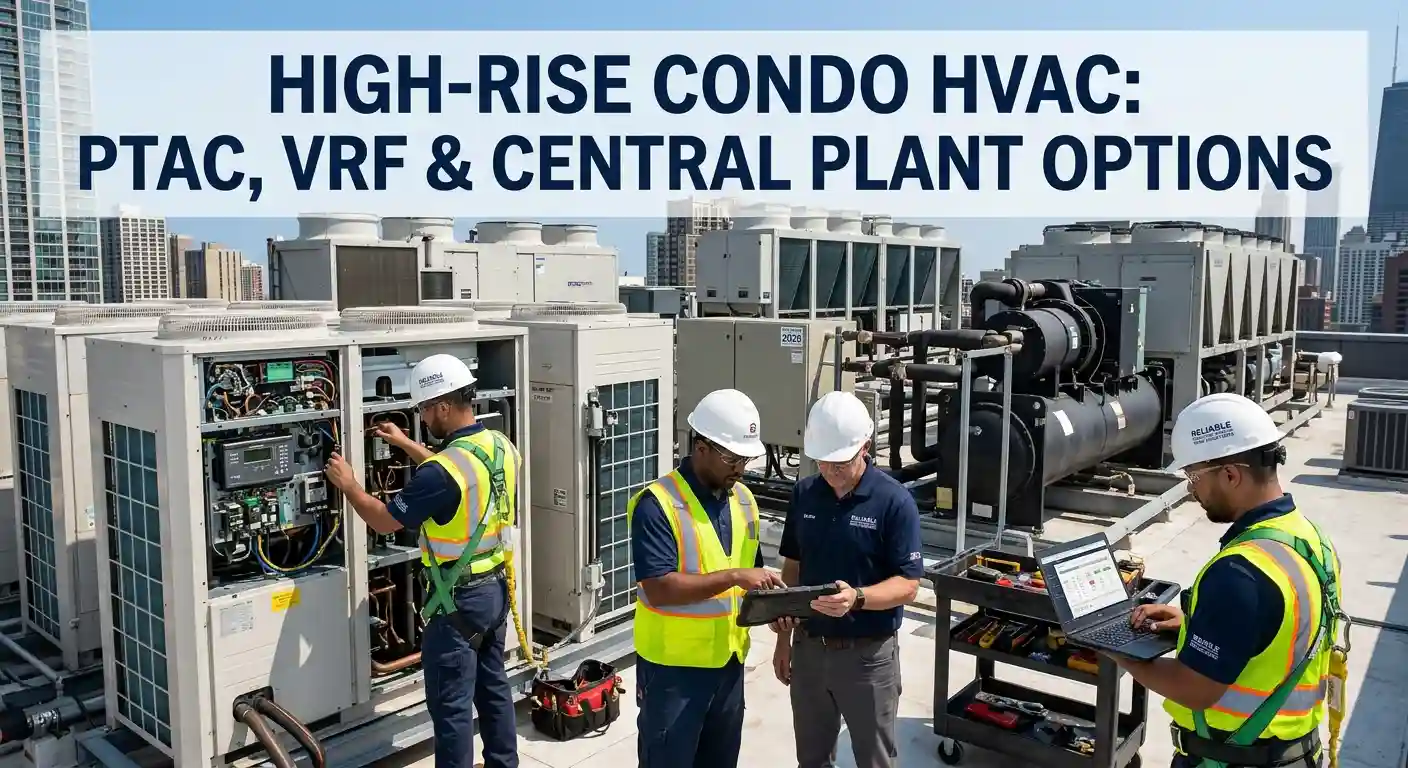
High-Rise Condominiums (Palm Beach and Broward Counties) Multi-story residential and mixed-use high-rise buildings present unique mechanical challenges. Vertical duct systems, stack effect pressure differentials, and the need to maintain consistent comfort across dozens of individual units simultaneously require zoned system management and pressure balancing that goes beyond standard pre-season service. Elevator mechanical rooms, parking structures, and common areas generate independent heat loads that must be accounted for in the overall building preparation strategy. Failure in a single rooftop unit in a high-rise can affect multiple floors simultaneously, making pre-season verification critical.
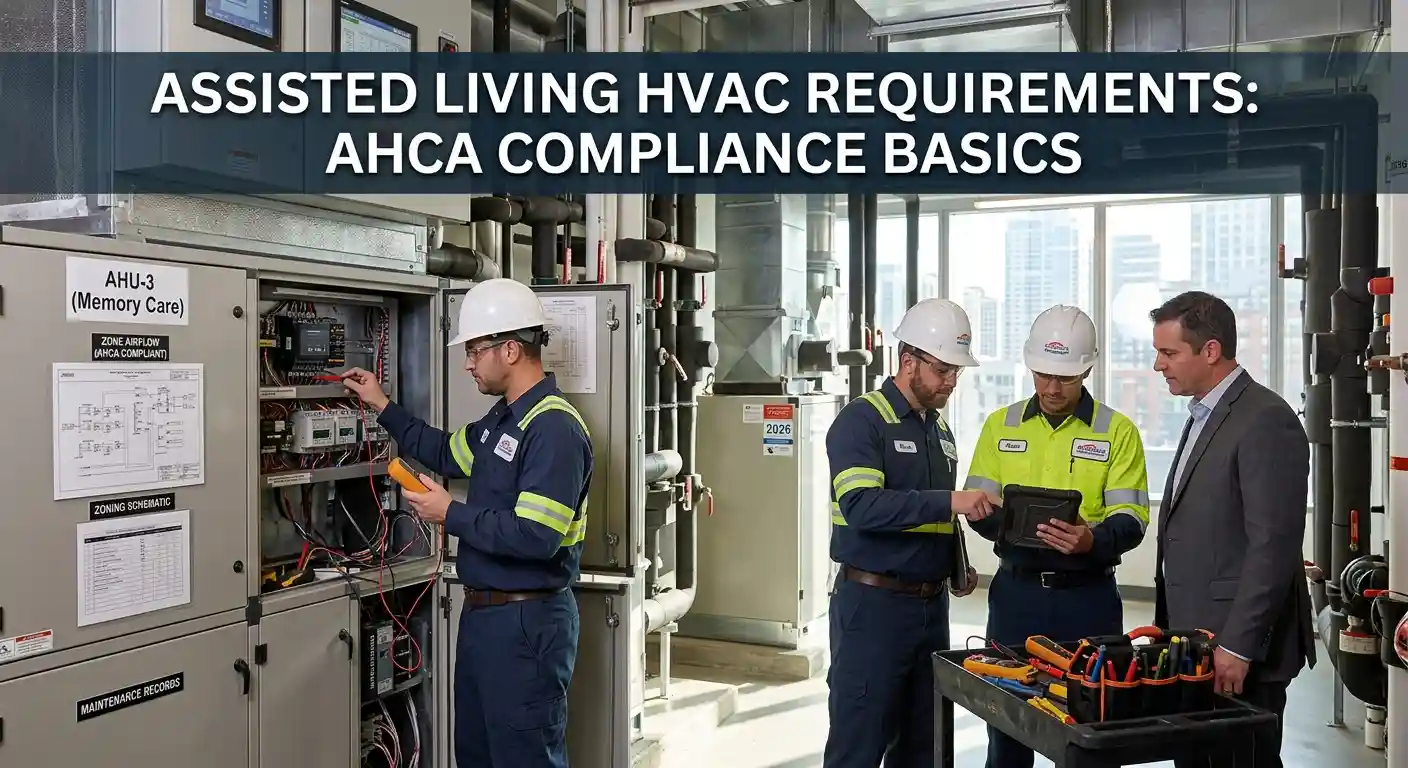
Healthcare Facilities and Medical Offices Healthcare environments in Southeast Florida operate under strict temperature and humidity control requirements governed by ASHRAE Standard 170 and applicable Florida Department of Health guidelines. HVAC failure in a medical office or assisted living facility is not merely a comfort issue — it is a patient safety event. Redundancy planning, backup cooling capacity verification, and documented maintenance records are non-negotiable requirements for pre-summer preparation in healthcare environments.
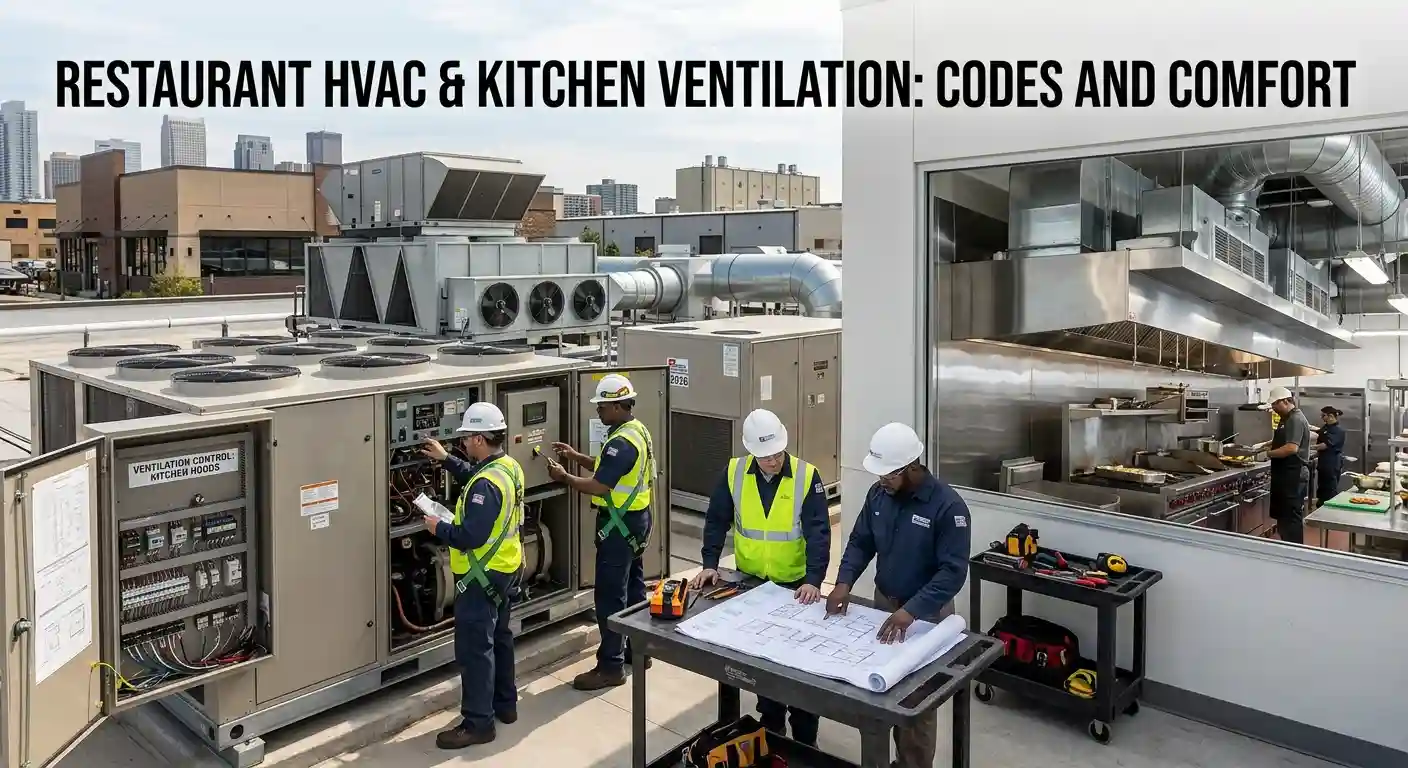
Restaurants and Hospitality Properties Commercial kitchen environments generate extreme heat loads that place disproportionate strain on HVAC systems. In Fort Lauderdale and Boca Raton’s competitive hospitality market, dining room comfort directly impacts customer retention. Kitchen exhaust systems, make-up air units, and dining area split systems must all be inspected and balanced before the summer tourist and dining season peak. Grease accumulation in kitchen exhaust pathways is also a fire risk that intersects with HVAC system performance.
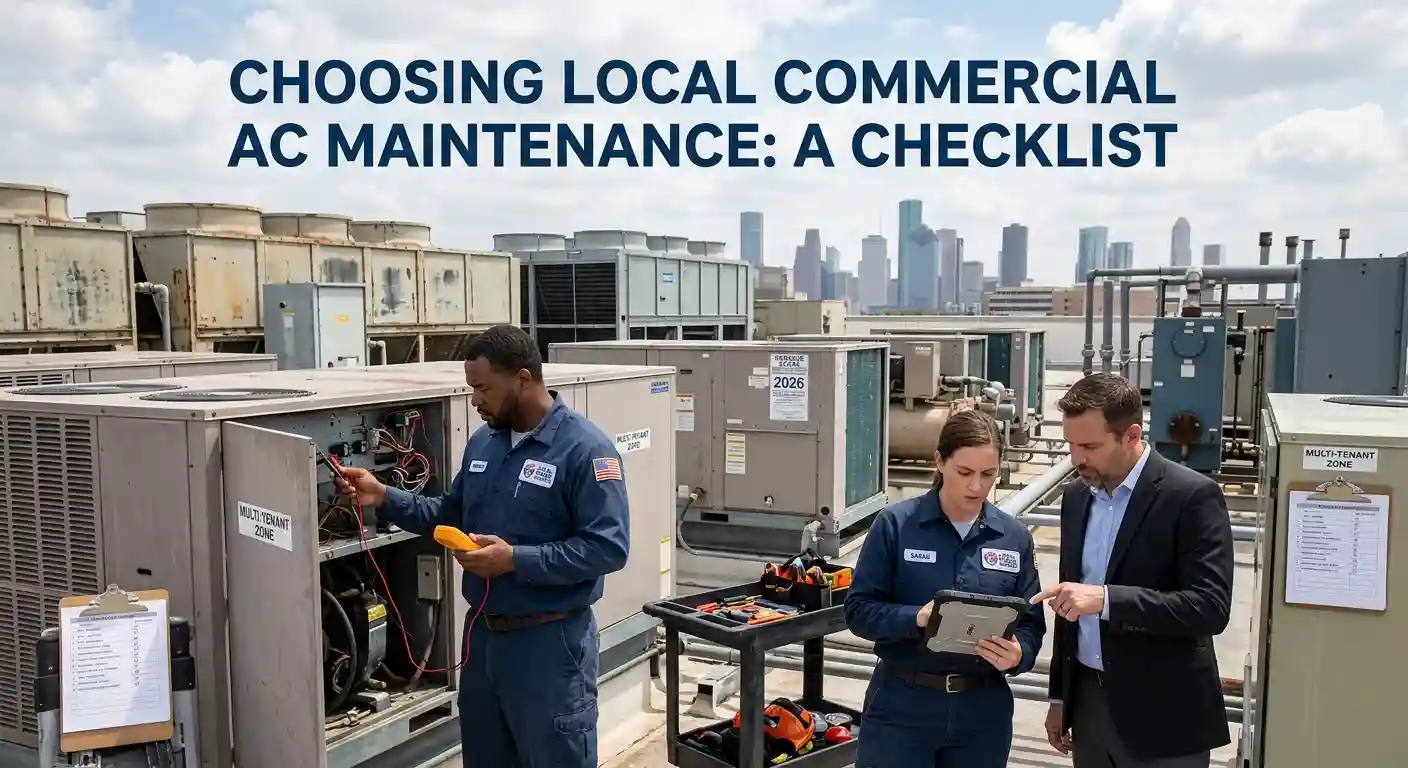
Retail and Multi-Tenant Commercial Properties Multi-tenant retail centers present complex HVAC management challenges due to variable occupancy, differing operating hours across tenants, and the heat contribution of display lighting and refrigerated merchandising equipment. Landlord-tenant HVAC responsibility delineation must be clarified before the season, and common area systems should be serviced ahead of peak foot traffic periods.
Risk Mitigation Through Professional Commercial HVAC Services
Professional evaluation is essential when preparing commercial hvac systems for rising heat in south florida. Experienced technicians can identify airflow issues, system imbalances, and potential points of failure before they impact operations. Early intervention reduces the likelihood of unexpected downtime during peak heat periods.
Aspen AC has delivered commercial HVAC services across Boca Raton, Palm Beach, Broward, and Miami-Dade counties since 1983. Their expertise ensures that systems are not only functional but optimized for performance under demanding environmental conditions. Engaging qualified professionals supports both operational continuity and risk mitigation.
Frequently Asked Questions:
How often should commercial HVAC systems be serviced in South Florida?
Commercial HVAC systems in Southeast Florida should receive professional maintenance at minimum twice per year — once before the peak cooling season (March–May) and once in the fall. Given South Florida’s extended cooling season, which runs effectively from April through October, many commercial operators benefit from quarterly inspections. High-occupancy facilities such as healthcare buildings, restaurants, and retail centers should schedule service more frequently based on system runtime and load intensity.
What are the warning signs that a commercial AC system needs replacement before summer?
Key indicators include: systems that are 12 years or older operating in South Florida’s coastal climate; frequent refrigerant loss requiring recurring recharges; compressor short-cycling or failure to reach set temperature during moderate outdoor conditions; visible corrosion on outdoor condenser units; and rising energy consumption without a corresponding increase in building occupancy or use. If a system is exhibiting multiple indicators simultaneously, replacement planning should be initiated before peak season loading begins — not after an in-season failure.
How does South Florida's humidity specifically affect commercial HVAC performance?
High ambient humidity increases the latent heat load on commercial HVAC systems — meaning the system must expend energy removing moisture from the air before it can deliver sensible cooling. This dual demand increases compressor cycling frequency, raises operating pressures, and accelerates wear on components including contactors, capacitors, and fan motors. Facilities with inadequate latent load management also risk elevated indoor humidity levels, which can contribute to mold growth, occupant health complaints, and structural damage — all of which carry direct liability implications for commercial operators.
What is the impact of the R-410A refrigerant phaseout on existing commercial systems in Florida?
Existing systems using R-410A can continue to operate and be serviced. However, the progressive reduction in R-410A supply is driving service costs upward, and systems requiring frequent refrigerant additions face an escalating cost liability. Commercial operators with aging R-410A systems should consult with a licensed HVAC contractor to evaluate whether proactive replacement with compliant equipment delivers a better financial outcome than continued service of the existing system through its remaining useful life.
How far in advance should commercial properties in Boca Raton and Fort Lauderdale schedule pre-summer HVAC service?
Service scheduling should begin no later than March. By April, qualified commercial HVAC contractors in Palm Beach and Broward Counties are typically operating at or near full capacity as demand for pre-season inspections peaks. Facilities that delay scheduling until May or June risk service backlogs that push preparation work into the early peak heat period — reducing its protective value and increasing the likelihood of in-season emergency service requirements.
What are signs my commercial HVAC system is failing?
Common red flags include inconsistent temperatures across rooms, unusually high energy bills, strange noises, persistent odors, or the system struggling to maintain your set thermostat temperature.
Does the humidity in South Florida impact my HVAC system's longevity?
Yes, Florida’s high humidity forces your system to run longer cooling cycles to dehumidify the air, increasing strain on components and potentially leading to premature wear if maintenance is neglected.
Should I adjust my thermostat lower to cool my office faster?
No, setting your thermostat to an extremely low temperature will not cool the space faster; it only overworks the system and increases energy consumption, leading to potential mechanical failure.
Why are my indoor air quality levels low during summer?
Poor indoor air quality in summer is often caused by clogged filters, mold growth in damp condensate lines, or unsealed ductwork drawing in humid, unfiltered air from outside.
Stay Ahead of the Heat with Aspen AC
Preparing commercial hvac systems for rising heat in south florida requires timely planning and expert execution. Aspen AC provides comprehensive services designed to maintain system integrity and ensure reliable performance throughout the hottest months. Businesses are encouraged to contact Aspen AC to schedule assessments, maintenance, or system upgrades before peak heat conditions arise.
Plan ahead, stay cool, and let performance speak when the heat peaks.