South Florida’s two most demanding seasons are the same season. The months that push commercial cooling systems to their operating limits are the same months that bring named storms, power outages, and wind events capable of damaging the equipment a building depends on. For property managers, facility directors, and business owners across the region, preparing for one without the other leaves half the risk unmanaged.
The overlap is not a coincidence to endure. It is a planning requirement with a well established playbook.
The Threat Is Statistical, Not Hypothetical
Florida’s storm exposure is a matter of record. As documented by the Florida HVAC Authority’s hurricane preparedness framework, the state averages 1.7 named storms making landfall each year, and preparedness for HVAC systems operates across three defined phases: pre storm mitigation, active storm shutdown, and post storm restoration, all governed by Florida Building Code anchoring and permitting standards.
The financial case for preparation is equally documented. According to MB Clean Solutions’ Miami commercial facility guide, South Florida averages a direct hurricane impact every two to three years, businesses investing a few thousand dollars in professional preparation avoid average damage costs many times larger, and insurance data shows prepared facilities sustain 40 to 60 per cent less damage than unprepared comparable properties. Aspen AC’s commercial service programmes build storm readiness into the seasonal service calendar for exactly these reasons.
What Wind and Water Do to Commercial Equipment
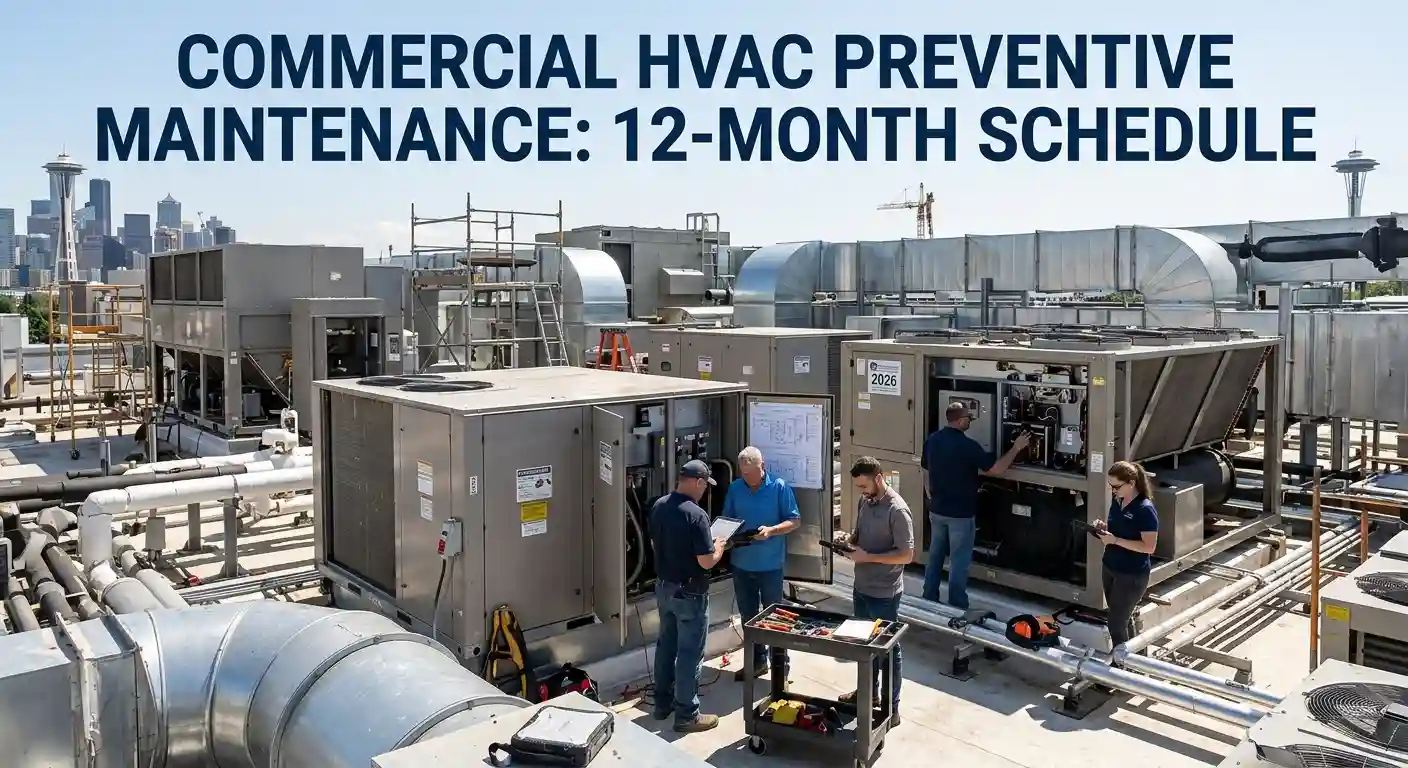
Rooftop and ground mounted equipment carries specific vulnerabilities worth understanding before a watch is issued. As detailed in the Orlando HVAC Authority’s storm preparedness reference, packaged rooftop units face both wind uplift and debris impact, ground level air handlers face flood intrusion that typically requires full replacement rather than cleaning, and surge protection rated for utility restoration events shields compressor controls and variable speed drives from the voltage spikes that follow every outage.
The quieter threat arrives after the storm passes. The same reference notes that a four to seven day summer outage can push indoor humidity to 80 or 90 per cent, creating mould conditions inside ductwork and coils within days. In South Florida, storm recovery is as much an indoor air quality event as an electrical one, which is why experienced commercial technicians treat post storm inspection as a mandatory step rather than a formality.
Continuity Planning: Cooling Through the Outage
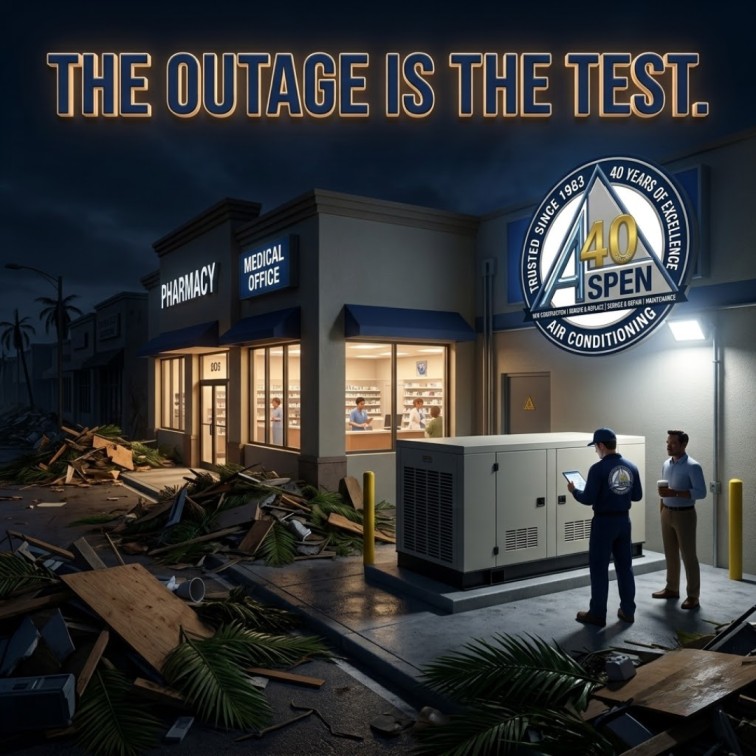
For many commercial operations, the storm itself is survivable but the outage is not. As outlined in Generator Source’s strategic guide to commercial hurricane preparedness, backup power that carries HVAC and refrigeration prevents inventory loss in food service and pharmacy operations, protects sensitive equipment, and turns a multi day grid failure into a manageable disruption while unprepared competitors stay dark.
Continuity is a year round discipline rather than a June scramble. Guidance from The Generator Guys’ commercial storm checklist for Florida recommends keeping HVAC systems storm ready through regular maintenance, maintaining vendor agreements for post storm response, and reviewing insurance coverage for wind and business interruption before the season peaks rather than after a claim.
The Post Storm Rule That Protects Everything
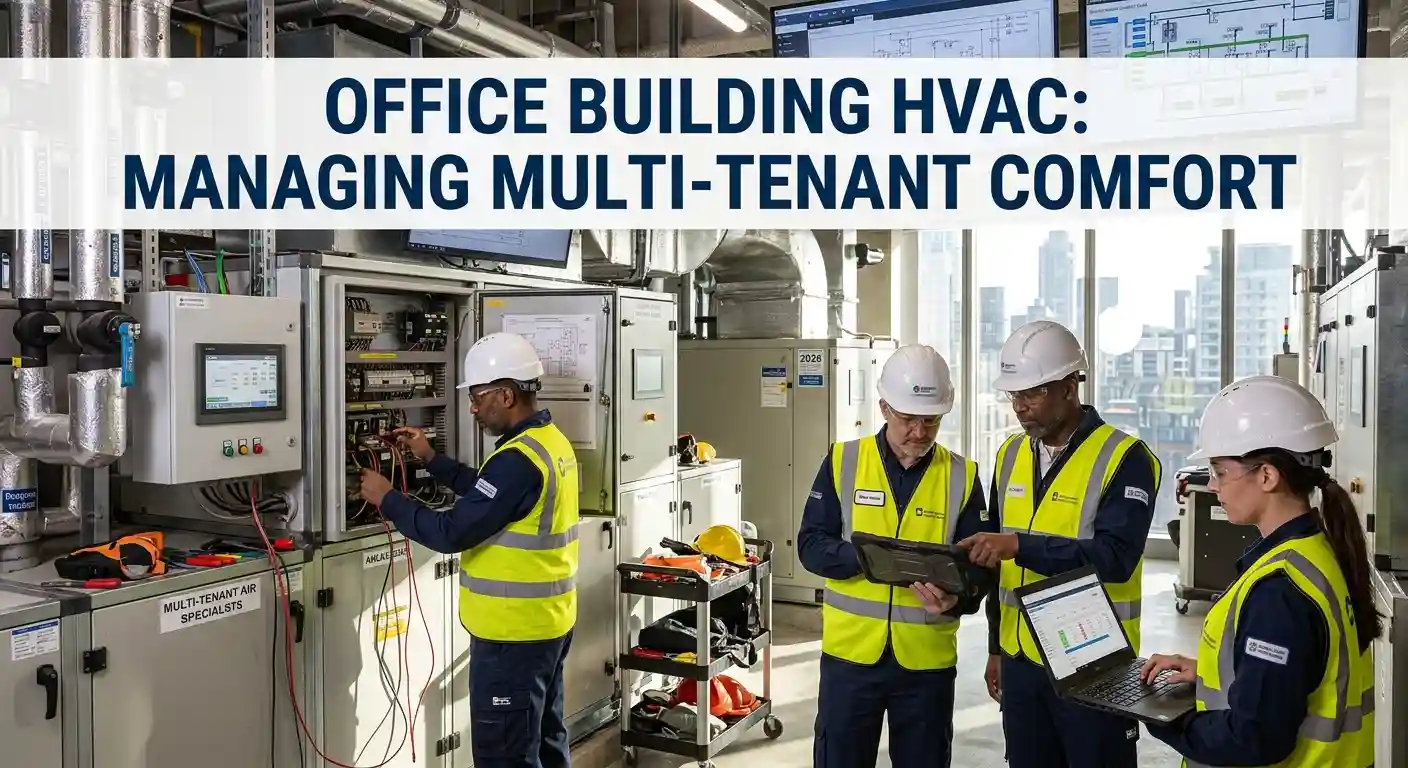
The most expensive post storm mistake is restarting equipment before inspection. Flood contacted electrical components, displaced condensing units with kinked refrigerant lines, and saturated filters all present hazards that are invisible from the thermostat. Florida’s regulatory framework requires licensed professionals for refrigerant recovery and permits for major storm repairs, and skipping those steps can invalidate both insurance claims and equipment warranties.
The operators who recover fastest are the ones with a service partner who knows their equipment before the storm names itself. Documentation, baseline photos, and current service records all accelerate claims and restoration, and Aspen AC’s commercial resources help South Florida operators keep that readiness current.
Face the Season Prepared With Aspen AC
Storm season and cooling season will share the calendar again this year, and the buildings that manage both are the ones that planned for both. Aspen AC has been preparing South Florida’s commercial properties for this exact overlap since 1983, with the operational reliability and technical professionalism the region’s weather demands. Contact our commercial team and make storm readiness part of your cooling strategy.
In South Florida, the forecast is not a surprise. Being unprepared for it is a choice.