As South Florida‘s commercial enterprises prepare for the forthcoming peak cooling season, the implementation of comprehensive commercial HVAC compliance protocols constitutes a fundamental operational imperative. Aspen AC, serving the Palm Beach, Broward, and Miami-Dade county regions since 1983, has observed that proactive regulatory adherence substantially mitigates operational disruptions whilst ensuring statutory conformity.
With over four decades of specialised expertise in commercial heating, ventilation, and air conditioning systems, this Boca Raton-headquartered contractor recognises that pre-season compliance verification represents both a legal obligation and a prudent business practice for commercial property operators throughout South Florida.
Regulatory Framework and Documentation Requirements
Commercial HVAC compliance mandates adherence to a complex matrix of federal, state, and local regulations governing refrigerant management, energy efficiency standards, and environmental protection protocols. Florida’s commercial establishments must maintain current documentation demonstrating compliance with the Environmental Protection Agency’s refrigerant handling regulations, including Section 608 certification records for all technicians performing maintenance operations. Property managers bear the legal responsibility of ensuring that refrigerant logs accurately reflect charging, recovery, and disposal activities.
Building permits and mechanical system modifications require documentation that establishes conformity with the Florida Building Code’s mechanical provisions. Annual inspections by certified professionals provide evidentiary support for due diligence in the event of regulatory enquiries or liability claims. These records form an essential component of the compliance architecture that protects commercial enterprises from potential statutory violations.
Pre-Season Equipment Inspection and Performance Verification
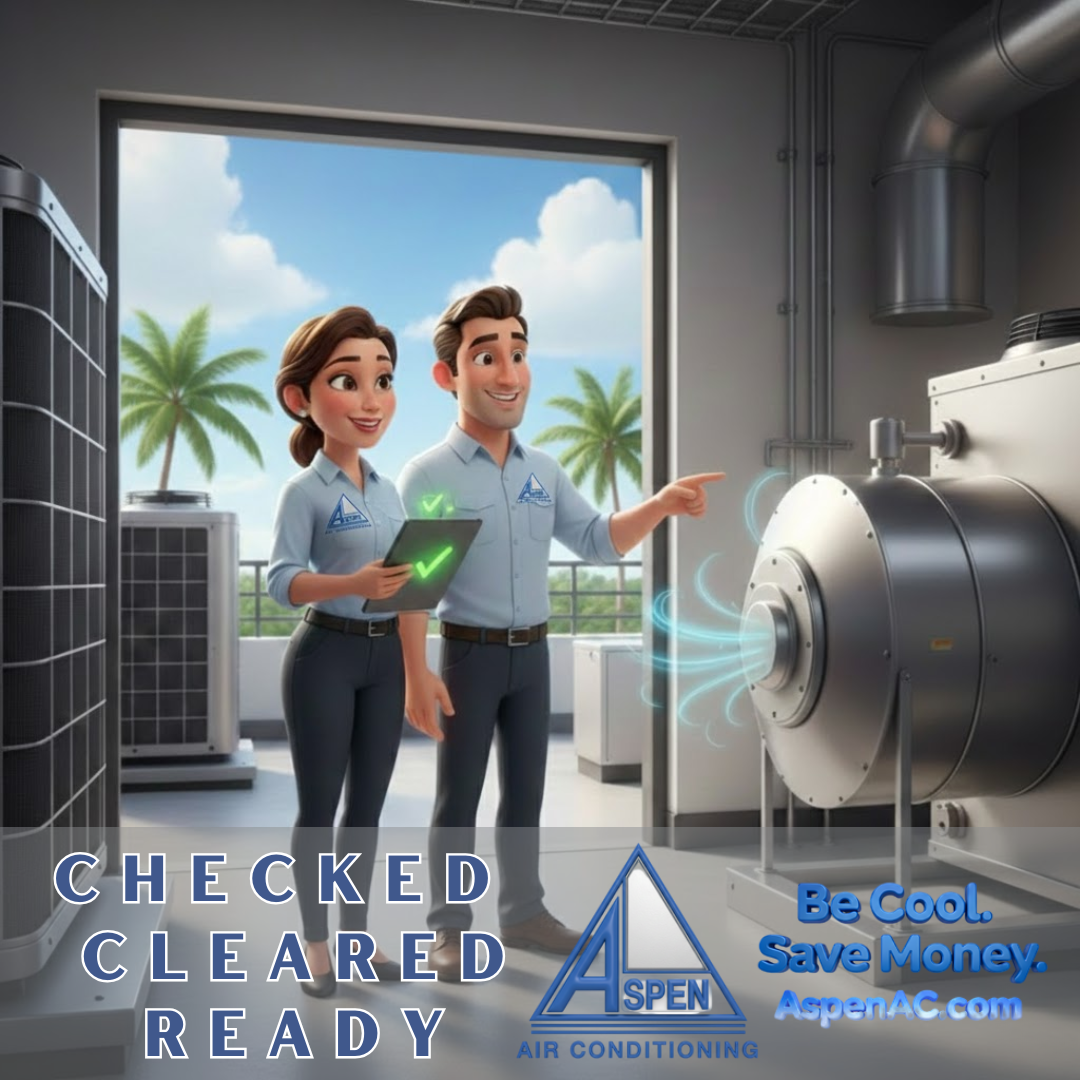
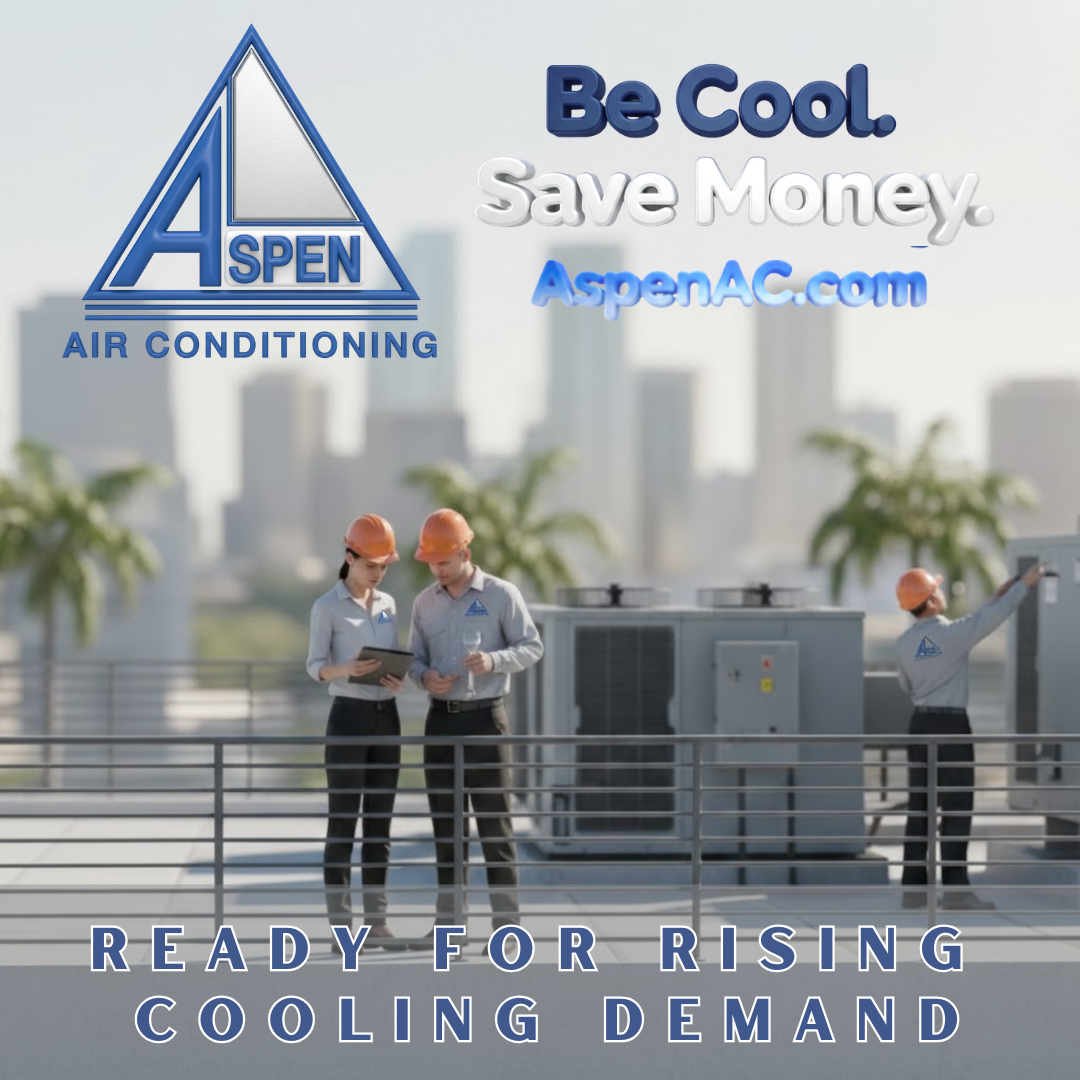
A thorough pre-season assessment of commercial HVAC systems identifies deficiencies that could compromise both operational efficiency and regulatory standing. Qualified technicians must evaluate refrigerant charge levels, verify proper system pressures, and conduct leak detection protocols in accordance with established industry standards. These technical evaluations serve dual purposes: they ensure optimal system performance whilst simultaneously documenting compliance with environmental regulations governing refrigerant containment.
Electrical components, including contactors, capacitors, and control systems, require systematic examination to prevent mid-season failures that could result in business interruption. Belts, bearings, and mechanical linkages must be assessed for wear patterns that indicate impending failure. Documentation of these inspections establishes a defensible maintenance record that demonstrates reasonable care in system management.
Air Quality and Ventilation Standards Assessment
Indoor air quality regulations impose specific ventilation requirements for commercial spaces, particularly those serving vulnerable populations or food service operations. Commercial HVAC compliance extends beyond temperature control to encompass fresh air exchange rates, filtration efficiency, and humidity management parameters. The American Society of Heating, Refrigerating and Air-Conditioning Engineers establishes minimum ventilation standards that form the basis for regulatory requirements in commercial applications.
Filter maintenance schedules, ductwork cleanliness, and proper condensate drainage systems collectively influence indoor environmental quality and regulatory compliance status. Businesses operating in healthcare, hospitality, or food service sectors face heightened scrutiny regarding ventilation adequacy. Pre-season verification of these parameters ensures operational readiness whilst demonstrating commitment to occupant health and safety standards.
Energy Efficiency Compliance and Utility Incentive Programs
Florida’s commercial energy codes mandate minimum efficiency standards for HVAC equipment, with particular attention to seasonal energy efficiency ratio values for cooling equipment. Older systems may require efficiency upgrades or replacement to maintain compliance with current standards. Many utility providers throughout Palm Beach, Broward, and Miami-Dade counties offer rebate programmes that offset the capital expenditure associated with high-efficiency equipment installations.
Documentation of system efficiency, including energy consumption patterns and equipment specifications, supports participation in demand response programmes and utility incentive initiatives. These records simultaneously demonstrate environmental stewardship and provide financial benefits to commercial enterprises committed to operational excellence.
Partner With South Florida’s Trusted Commercial HVAC Compliance Specialists
Aspen AC’s four decades of commercial HVAC expertise throughout South Florida uniquely positions the firm to guide businesses through the intricate landscape of regulatory compliance and pre-season preparation protocols. The company’s comprehensive compliance assessment services identify potential deficiencies before they escalate into costly violations or system failures. Contact Aspen AC to schedule a thorough commercial HVAC compliance evaluation that safeguards your business interests whilst ensuring uninterrupted comfort for employees and patrons throughout the demanding cooling season ahead.
When peak season arrives, your compliance status shouldn’t be a question mark.